
3 weeks
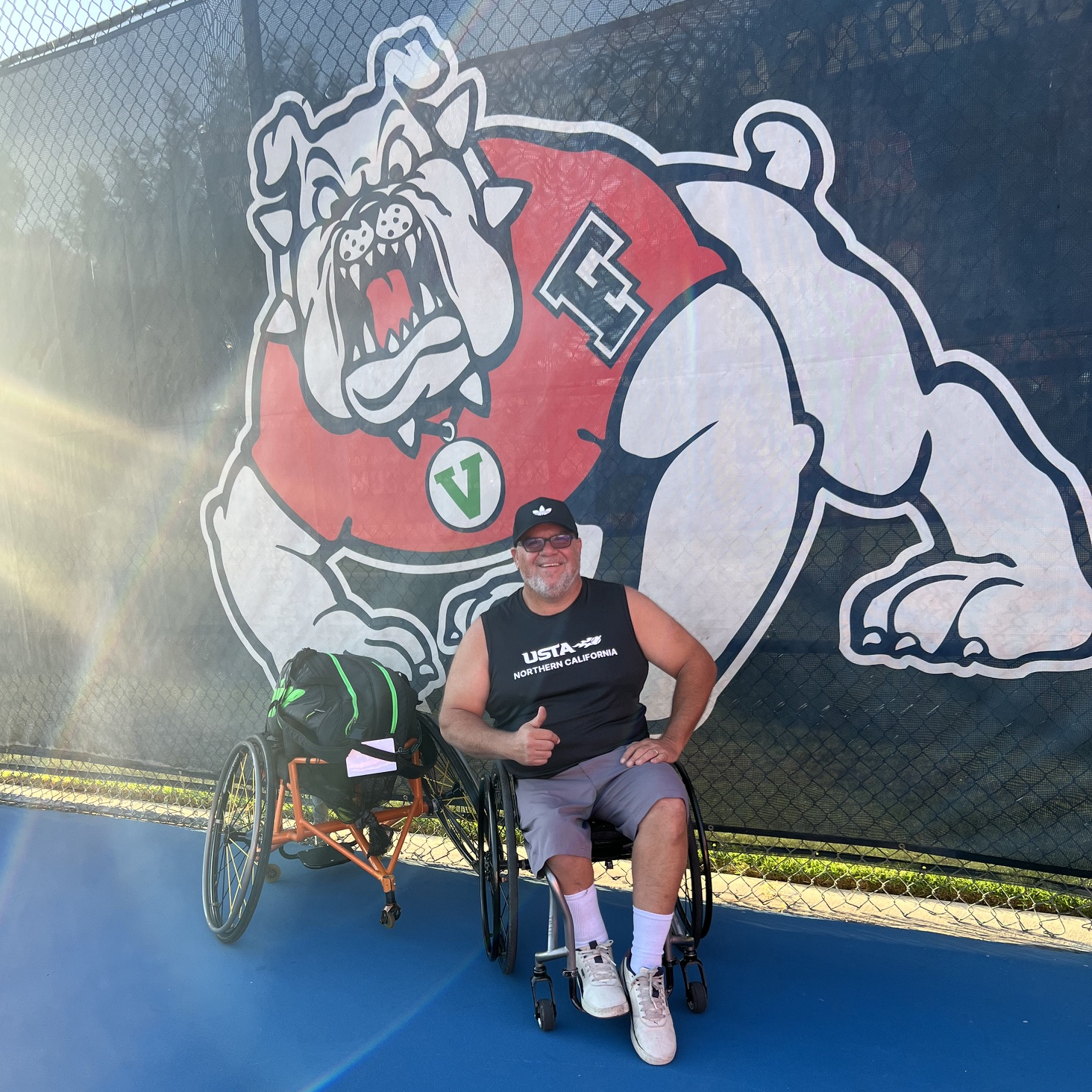
This past weekend, October 3–4, wheelchair tennis players from Northern and Southern California came together at Fresno State in Fresno, California, for one of the most unique team competitions in wheelchair tennis: North Meets South.
For more than 13 years, this annual USTA event has brought the two California sections together for a weekend that is about much more than individual wins and losses. It is a true section-versus-section competition, with players representing their respective teams and fighting for every point.
The format is unlike anything else I know of in wheelchair tennis in the United States.
Each section fields two players in each of four divisions: Open, A, B, and C. The competition includes two singles matches and one doubles match in each division. Then things get even more interesting with four mixed doubles matches, pairing an Open player with an A player and a B player with a C player.
That means there are plenty of opportunities for players across divisions to contribute to their team’s overall success. Every match matters.
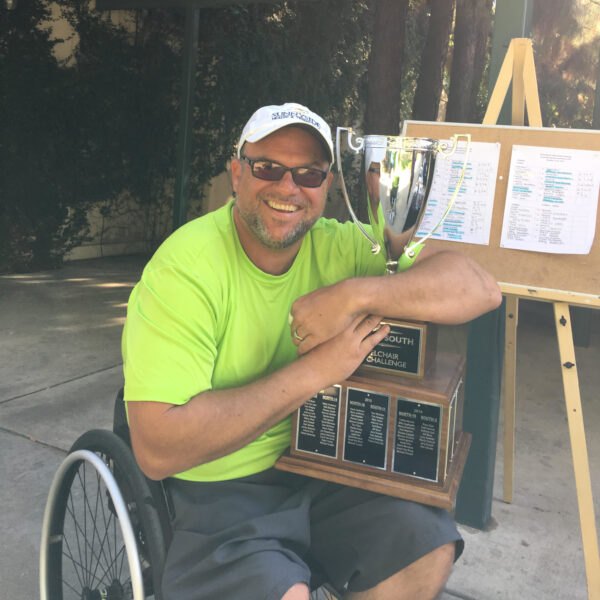
I’ve been around wheelchair tennis for a long time, and I’ve had the privilege of attending the majority of these North Meets South events over the years. In fact, I may have a distinction that few, if any, other players can claim. I started my wheelchair tennis journey in Southern California, but eventually moved north and became part of Northern California’s wheelchair tennis community. That has given me the unique opportunity to represent **both sections** during the history of this event.
So I’ve seen this competition from both sides.
And that’s one of the reasons this year’s event impressed me so much.
Yes, Southern California came north and dominated the team competition this year. Congratulations to the SoCal team. They earned it.
But the final outcome doesn’t tell the whole story.
What really stood out to me was the level of competition across the weekend. We had five or six matches decided by 10-point match tiebreakers. That’s a pretty good indication of just how competitive things were. Matches were being pushed to the limit, and there were plenty of moments where one or two points could have completely changed the outcome.
That’s what makes North Meets South so special.
It isn’t simply about putting the best players on the court and seeing who wins. It’s about creating a team environment where players have to compete for their section, support one another, adjust to different partners, and find a way to win points that ultimately contribute to the team result.
And while I’m proud of how Northern California competed, I’ll admit that I took a little personal solace in the weekend.
As the Open player representing NorCal, I was able to sweep SoCal in my singles matches.
I’ll take that little victory!
But that’s also the beauty of this event. You can walk away disappointed with the team result while still appreciating the individual battles, the friendships, the competition, and the growth of the sport.
After more than a decade of North Meets South competitions, it’s exciting to see the level of wheelchair tennis continuing to rise. The depth of talent is improving, the matches are getting tighter, and players are pushing each other to get better.
That’s good for everyone.
That’s good for Northern California.
That’s good for Southern California.
And most importantly, it’s good for wheelchair tennis.
So congratulations to the Southern California team on a great weekend. Northern California will have some work to do before next year’s battle.
I’m already looking forward to seeing how this plays out in 2027.
North vs. South.
Same rivalry.
Another year.
Let’s see what happens next.

Comments
No comments yet.